

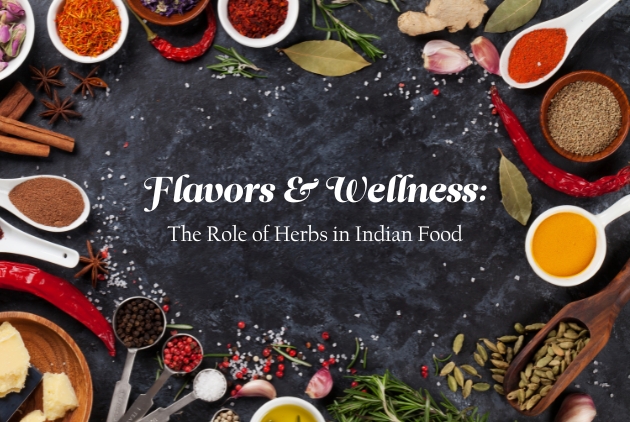
Flavors & Wellness: The Role of Herbs in Indian Food
Indian cuisine is a harmonious blend of taste, tradition, and health, with herbs playing a key role in its rich culinary heritage. For centuries, India has been home to a variety of exotic herbs.
They not only enhance flavor and aroma but also provide numerous medicinal benefits. These natural ingredients add vibrancy to dishes while supporting overall well-being.
With increasing awareness of healthy eating and the shift towards natural alternatives, the importance of Indian herbs in everyday cooking continues to grow. From strengthening immunity to aiding digestion, these powerful ingredients bring both nourishment and taste to meals.
India is known across the world for its vast diversity of herbs. Throughout history, explorers, invaders, and traders were drawn to the country due to its wealth of medicinal and culinary herbs. These herbs are among the most versatile and frequently used ingredients in Indian cooking. They enrich flavor, add natural color, and sometimes function as preservatives.
As people become more conscious of health and wellness, many choose to avoid chemical additives, increasing the demand for natural ingredients in the food industry. Packed with antioxidants and antimicrobial properties, herbs have become an essential part of culinary traditions. They are valued for their ability to promote better health and overall well-being.
Herbs have been an integral part of Indian cooking for generations. They are among the most important ingredients in both household and commercial kitchens. Their primary function is to enhance flavor while also providing health benefits. Studies highlight their effectiveness in supporting heart health, regulating blood sugar, reducing inflammation, and improving digestion.
This blog explores the role of herbs in Indian cuisine and their ability to promote wellness through their distinct flavors and natural healing properties.
Indian Herbs and Their Benefits
Cilantro (Coriander Leaves)
Cilantro, also known as coriander leaves, comes from the Coriandrum sativum plant, originally native to the Mediterranean and Middle Eastern regions. It is a staple garnish in Indian cuisine, adding a fresh, citrusy flavor to curries, chutneys, and salads. Rich in vitamins A, C, and K, as well as antioxidants, cilantro helps in detoxification, digestion, and maintaining skin health. It has antibacterial and anti-inflammatory properties, making it effective in reducing infections and soothing digestive discomfort. Cilantro also supports heart health, regulates blood sugar, and prevents urinary tract infections, making it a valuable herb in traditional medicine.
Mint
Mint, derived from the Mentha plant, is a cooling and refreshing herb widely cultivated in India, the Mediterranean, and parts of Asia. It is commonly used in chutneys, teas, and cooling beverages. Mint is rich in antioxidants, vitamin C, and essential oils like menthol, which aid digestion, relieve bloating, and soothe respiratory issues. It has antimicrobial and anti-inflammatory properties, making it effective against colds, sore throats, and allergies. Mint also supports brain function, helps reduce stress, and promotes oral health by preventing bad breath and gum infections. Its soothing properties make it beneficial for skin health and headaches.
Fenugreek Leaves (Methi)
Fenugreek leaves, or methi, originate from the Mediterranean region and South Asia. These slightly bitter, nutrient-rich leaves are widely used in Indian curries, flatbreads, and stir-fried dishes. Fenugreek leaves are packed with iron, fiber, and antioxidants, helping to regulate blood sugar, improve digestion, and boost metabolism. They have anti-inflammatory and cholesterol-lowering properties, supporting heart health and weight management. Fenugreek leaves are also known to aid lactation in nursing mothers, reduce menstrual discomfort, and improve skin health. Regular consumption may help prevent diabetes, strengthen the immune system, and enhance gut health.
Curry Leaves
Curry leaves, obtained from the Murraya koenigii tree, are native to the Indian subcontinent and are a key ingredient in South Indian cooking. These aromatic leaves add a distinct flavor to curries, dals, and rice dishes. Rich in antioxidants, curry leaves help detoxify the body, improve digestion, and promote heart health by reducing cholesterol levels. They have antibacterial and anti-inflammatory properties, making them effective in treating infections, skin disorders, and hair fall. Curry leaves also support weight management, regulate blood sugar, and improve liver function. They are widely used in Ayurvedic medicine to strengthen immunity and enhance gut health.
Holy Basil (Tulsi)
Holy basil, known as tulsi in India, is a sacred herb with immense medicinal value. It has been cultivated in India for centuries and is used in Ayurvedic treatments, herbal teas, and natural remedies. Tulsi is a powerful adaptogen, helping the body combat stress, anxiety, and fatigue. It has strong antimicrobial, anti-inflammatory, and antioxidant properties, making it effective against respiratory infections, colds, and flu. Tulsi also supports heart health, regulates blood pressure, and boosts immunity. It is known to promote liver function, improve digestion, and protect against certain chronic diseases, including diabetes and cancer.
Dill
Dill, scientifically known as Anethum graveolens, is an aromatic herb originating from the Mediterranean and Eurasian regions. It is commonly used in Indian, Middle Eastern, and European cuisines for its fresh, slightly tangy flavor. Dill is rich in vitamins A and C, calcium, and antioxidants, making it beneficial for bone health, digestion, and immune function. It has carminative properties, helping to relieve bloating, indigestion, and gas. Dill also has anti-inflammatory and antibacterial effects, supporting respiratory health and protecting against infections. Regular consumption of dill may aid in reducing cholesterol levels, promoting heart health, and improving sleep quality.
Indian herbs are more than just culinary enhancers; they are powerful natural healers that have been used for centuries in traditional medicine. Each herb carries unique medicinal properties, supporting digestion, immunity, heart health, and overall well-being. From the detoxifying benefits of cilantro to the stress-relieving effects of tulsi, these herbs play a vital role in both cooking and holistic wellness. Adding them to daily meals not only enhances flavor but also provides numerous health benefits. As natural antioxidants and antimicrobial agents, Indian herbs continue to be essential in maintaining a balanced and healthy lifestyle, blending nourishment with wellness.
The Freshest Indian Herbs In Every Recipe
At Mrs. Kumars Indian Cuisine in Monroe Township, New Jersey, we take pride in using fresh Indian herbs in every dish we prepare. Our kitchen is filled with the refreshing aroma of mint, the earthy essence of kasuri methi, and the distinctive fragrance of dill, enhancing the authentic flavors of our dishes.
We carefully select and blend these herbs to create meals that honor India's rich culinary traditions. Every dish is crafted with care, ensuring vibrant colors, bold flavors, and natural goodness. With each bite, we bring the essence of India to the table, making every meal a wholesome and delightful experience.
Recent Post


